Translate:
Sustainability

SB1383 & Edible Food Recovery

1x1 icon

What is Senate Bill 1383?

A California bill that took
effect on 1/1/2022 to reduce
organic waste disposal
in landfills by 75% and
increase edible food
recovery by 20% by 2025.

community_1x1 icon

Who Must Participate?

Everyone must comply,
including:
• Single-Family Residents
• Multi-Family Residents
• Businesses
• Schools
• Special Districts

environment_1x1 icon

Why it Matters?

Organic waste in landfills
creates methane, a dangerous
greenhouse gas that harms air
quality, health, and our climate.
Keeping food scraps and yard
waste out of the landfill helps
protect our environment and
future.

compost_1x1 icon

What Happens to Your Organics?

Your organic waste is taken to
our Kerman Compost Facility
where it is turned into nutrient-rich
compost and mulch used
by local farmers to grow the
food we all enjoy.

Edible Food Recovery

Food Donation Requirements for Businesses​

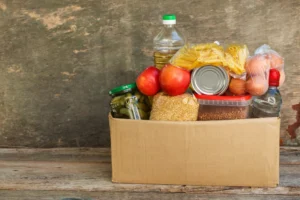
Cities are required to establish an edible food recovery program and to increase food recovery capacity in their areas. Therefore, food generators are required to donate the maximum amount of their edible surplus food that would otherwise be composted or sent to landfill. Food generators are also required to subscribe to an organic waste collection service for non-edible food. 

City programs are designed to educate edible food generators and increase access to food recovery organizations and services. 
Streamline Your Food Donation Process

Connect your business with local nonprofit organizations. Careit simplifies the process of donating surplus food, ensuring compliance with California legislation and federal laws.

Reach out to our Food Recovery Specialist to learn more! 

Who Needs to Recover Edible Food?

Tier 1 Businesses: January 1, 2022

  • Supermarket (with revenue ≥ $2 million)
  • Grocery store (10,000+ sq. ft.)
  • Food service provider
  • Food distributor
  • Wholesale food vendor

Tier 2 Businesses: January 1, 2024

  • Restaurant (≥ 250 seats or 5,000 sq. ft.)
  • Hotel with onsite food facility (≥ 200 rooms)
  • Health facility with onsite food facility (≥ 100 beds)
  • Large events and venues
  • State agency with cafeteria (≥ 250 seats or 5,000 sq. ft.)
  • Public education agency with onsite food facility

What does my business need to do to comply?

1. Recover Edible Food

Safely recover the maximum amount of edible food that would otherwise be disposed of (i.e. in compost or landfill), so it can be donated to feed people instead. Businesses may not intentionally spoil food. Assess the types, quantities and frequency of excess food for donation.

2. Keep Written Agreements

Partner with a food donation program to donate your excess food. Create a written agreement with each food donation program that picks up or receives donated food from your business.

3. Track and Report

Maintain a list of the following:
• Name, address, and contact information of food programs that received donated food
• Types of food donated
• Frequency and quantity of food recovered in pounds per month

The written agreement and record-keeping must be maintained on-site for review by applicable city agencies. Be prepared for inspection and monitoring by the city and county.

Contact Us For More Information

Contact our Recycling Department to receive more information regarding these regulations and how you can meet compliance. 

Downloadable Resources

Food Recovery Requirements for Businesses

Restaurant Food Loss

Grocery Store Food Loss

Food Recovery Organization Directory

Legal Protections

SB1383 FAQ